
Stainless Steel: A Durable and Modern Material
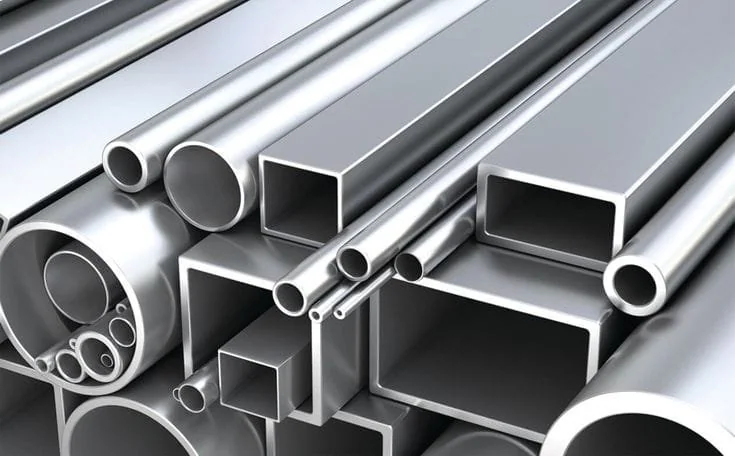
Stainless steel is one of the most widely used materials today thanks to its durability, hygienic structure and modern appearance. We come across this special type of steel in many places, from factories to kitchens and from hospitals to skyscrapers.
Stainless Steel: Definition and History
This type of steel is resistant to corrosion thanks to a minimum chromium content of 10.5%. Chromium forms a protective layer on the surface and prevents rust from forming. Developed in the early 20th century, the material has over time become indispensable in many sectors from industry to architecture. Hygienic stainless steel products are used in food, chemical and wastewater facilities. Hygienic stainless products resist corrosion and, with their highly smooth structure, are suitable for CIP.
Key Properties
- Corrosion Resistance: The chromium layer on the surface keeps the metal durable even in humid environments.
- Mechanical Strength: With its high strength it is a reliable choice for bridges, buildings and industrial structures in the construction sector.
- Aesthetics and Ease of Maintenance: Its bright surface offers a modern appearance while remaining very practical to clean.
Types of Stainless Steel
- Austenitic Steels: Common in the food, chemical and healthcare sectors.
- Ferritic Steels: Preferred in the automotive industry.
- Martensitic Steels: Used in the production of sharp and durable blades.
- Duplex Steels: Provide high durability in bridges and marine structures.
Areas of Use
Construction and architecture, the food and healthcare sectors, power plants and household goods — all of them benefit from this material. Thanks to its durability, aesthetic appearance and hygienic structure it is used safely in many different industries.